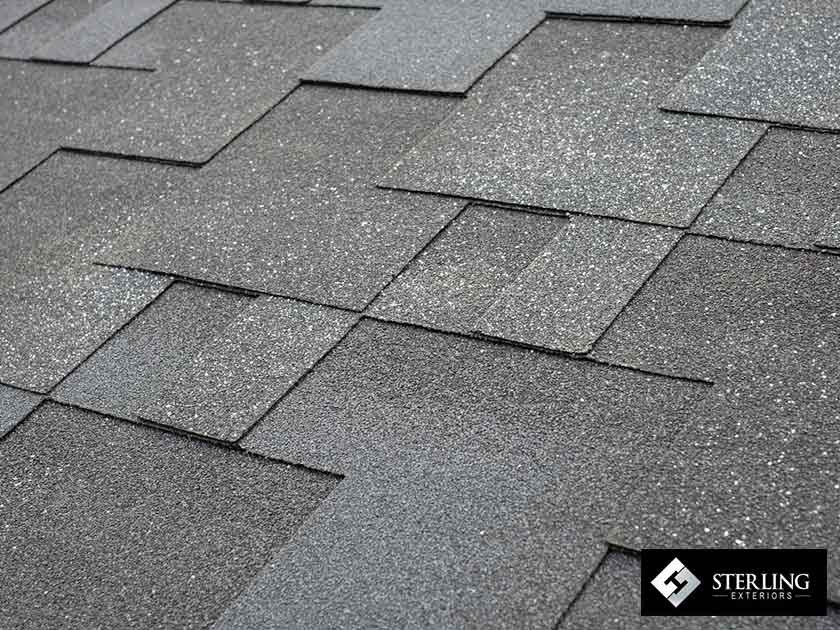
Asphalt shingle roofing protects most homes in the U.S. This material is preferred for its excellent weather resistance, timeless appeal, versatility and energy efficiency. It’s an option to consider when it’s time to replace your home’s roof. Besides keeping you safe and comfortable, asphalt shingles can add more value and beauty to your property.

While they certainly come with a long list of benefits, several myths and misconceptions still surround asphalt shingles. Keep reading to discover the truth behind these misbeliefs.
Popular Myths About Asphalt Shingles
Asphalt Shingles Have Asbestos
Asbestos in asphalt shingles is a thing of the past. In the past, this roofing material did have asbestos. However, these products had been discontinued since the 1960s due to the health problems that asbestos fibers can cause. It means that you don’t need to worry about the well-being of your household if you have modern asphalt shingles.
If your property was constructed between the 1950s and 1980s, it pays to have the structure inspected for asbestos content. You should also let your contractor know about this information if you have plans to remodel your home.
After Installation, Asphalt Shingles Will Lose Their Granules
The outer layer of asphalt shingles contains granules that give them color and protection against the outdoor elements. The most important role these sediments play is to provide your roof with a layer of defense against the sun’s harmful ultraviolet (UV) rays. They are made of grain-sized rocks combined with ceramic granules. Manufacturers can add additional ingredients to these granules to enhance the material’s color or improve its resistance to blue-green algae.
After the roof installation, it’s normal to see some granules in your gutters and on the ground. Don’t worry because these sediments are just excess from manufacturing. As long as you don’t see bald spots on the roof or notice excessive granule loss, there’s no need to be concerned. However, if your roof is old and is losing a significant amount of granules, it can be a sign that you need to have it replaced.
Asphalt Shingle Adhesive Cures Quickly
A few days following the installation of an asphalt roofing system, the curing process of its adhesives will start. At this stage, the adhesives and shingle backing will form a bond, with the shingles making a strong outer layer. You might also see fallen granules on the ground and in the gutters during this phase. When the curing is done, the roof will become solid and steady.
Your Energy Bills Will Increase if You Install Asphalt Shingles
Light-colored shingles excel at reflecting the sun’s UV rays and absorb less radiant heat. It’s what caused some individuals to believe that dark-colored roofing materials can make their interior warmer. Dark-colored shingles absorb solar heat, but not a substantial amount. As long as your roof has proper insulation and ventilation, the sun’s heat shouldn’t reach your indoor spaces.
It’s Cost-Effective to Install New Shingles Over an Old Roof
When replacing your roof, you usually have two options. Your first option is an overlay, which involves installing new shingles over the old ones. The second option is a tear-off, where your contractor will remove the existing shingles before installing the new material.
Some contractors will say that you will get more savings with an overlay. However, a reputable professional will always recommend a complete tear-off. While the initial cost of an overlay is lower, you will save more money with a tear-off in the long run. After removing the old material, your contractor will be able to detect issues and address them before installing the new shingles. It’s the closest thing that you will get to getting a brand-new roofing system. The result of a tear-off is also usually more durable and pleasing to the eye since the shingles lay flatter.
Asphalt Shingles Are All the Same
The most popular residential roofing materials are still asphalt shingles. Despite this fact, many people are still skeptical about them because of the misconception that this material is unattractive, cheap and plain. The truth is that not all asphalt shingles are made equal. You can get them in various styles, textures, colors, shapes and other customization options. No matter the style of your home, there is a type of asphalt shingles that complement it.
Why Choose Asphalt Shingles?
Cost-Effectiveness
With asphalt shingles, you don’t have to spend a lot to enjoy long-lasting protection from weather extremes. While a cost-effective roofing material, it still lasts long enough to be a valuable investment. Choosing asphalt shingles means giving your home better resistance against fire, high winds and other outdoor elements.
Energy Efficiency
Your contractor will completely replace the entire roofing system during a roof replacement. Besides the actual shingles, you will also get a new underlayment, helping improve your home’s energy efficiency. You can get asphalt shingles in lighter hues for better solar reflectivity. These shingles will help prevent outdoor temperatures from affecting your indoor comfort. As a result, you’ll use your HVAC system less, helping you save on energy costs.
More Peaceful Living Space
Your living space will become more peaceful and quiet with asphalt shingle roofing. It’s because this material excels at blocking outdoor noise. You should consider this roofing option if you live in a busy neighborhood or near the road. It can insulate noise better than other materials during heavy rainfalls and hail.
It’s a Sustainable Roofing Option
Before, old asphalt shingles were sent straight to landfills. But today, they are already recyclable. Once your contractor tears off the old material, they can bring the debris to be re-used into other products. Your old asphalt shingles can be recycled and used to repair or make roads. The Asphalt Roofing Manufacturers Association (ARMA) says that recycled roofing shingles can help improve a road’s quality. Another thing old shingles can be used for is to generate power.
Enjoy all these benefits by choosing a dependable contractor for your roofing project. At Sterling Exteriors, we’re here to help with your residential and commercial roofing needs. We also install doors, windows and siding. Call us at (513) 685-8055, or fill out our contact form to get a free estimate. We work with homeowners in Loveland, Cincinnati and Newtown, OH.